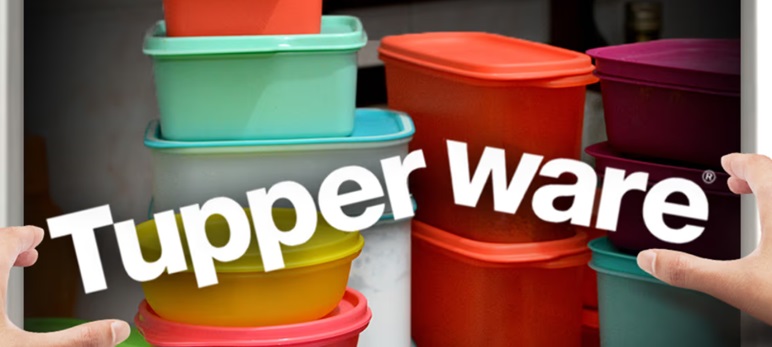
The end of Tupperware, the legendary food storage container!
Bloomberg reported that Tupperware is planning to file for bankruptcy protection after debt negotiations between Tupperware and its creditors dragged on. Although lenders have eased terms and offered Tupperware some relief this year after the company breached debt covenants in the past, the company’s performance has been declining.
The company recently announced it will lay off 140 employees and close its only U.S. manufacturing plant next year.
The company recently announced it will lay off 140 employees and close its only U.S. manufacturing plant next year.
Tupperware, an American food preparation and storage container brand known for its food storage containers, is a household name in the world. To the point that the brand has become a stereotype of food storage boxes that no matter which food storage box brand, they will be collectively called Tupperware.
Tupperware was founded by Earl Tupper, who officially launched the first product in 1946 in the form of a plastic box with a lid and an airtight seal that is suitable for storing food, airtight and waterproof.
In the 1950s, the Tupperware brand began to spread throughout the United States with a direct sales model from the "Tupperware Home Party" strategy, where the brand organized a party to gather a group of housewives to present products and cook together so that customers could see how the products were used. Another thing that made this brand a favorite of housewives was the strategy of creating salespeople who were single mothers or housewives who had the lifestyles of many other housewives in the United States. It didn't take long for Tupperware to become a product that almost every house in the United States would have at least 1 piece before starting to expand the business to dozens of countries and gaining overwhelming popularity until it became a prototype of plastic food storage boxes that the world knows.
But in the end, as time passed, the old direct sales strategy no longer worked. Plus, Tupperware still lacked brand development under innovation and was still lagging behind in digital adaptation. In addition, more brands of the same type of product are coming out in the market, selling at lower prices, brands not attracting younger customers, and consumer trends turning to sustainability products have also caused continuous turmoil for Tupperware, to the point that it recently announced plans to go bankrupt.
Reference : Thairath